



September 17, 2025
The iPhone 17 series has just been unveiled, marking a significant evolution in Apple’s smartphone lineup. Released on September 9, 2025, this year’s models include the standard iPhone 17, the ultra-thin iPhone 17 Air, the iPhone 17 Pro, and the iPhone 17 Pro Max. With advancements in design, performance, and AI capabilities, these devices build on the foundation of previous generations while introducing fresh innovations like the slimmed-down Air model. In this post, we’ll break down the key specifications for the iPhone 17, 17 Air, and 17 Pro (including notes on the Pro Max where it differs), followed by reasons to upgrade or hold off.
Whether you’re eyeing the budget-friendly standard model or the powerhouse Pro, there’s something for everyone. Let’s dive in.

iPhone 17: The Reliable Everyday Choice
The base iPhone 17 starts at an estimated $799 and offers a solid balance of performance and affordability. It’s equipped with a 6.3-inch Super Retina XDR display and focuses on essential upgrades like improved battery life and AI features.
Key specifications:
- Display: 6.3-inch Super Retina XDR with ProMotion (120Hz refresh rate), 2,622 x 1,206 resolution, 460 ppi, True Tone, Wide Color (P3), and up to 2,000 nits brightness.
- Processor: Apple A19 chip.
- RAM and Storage: 8GB RAM; starts at 256GB (up to 1TB).
- Cameras: Dual Fusion rear system with 48MP Main (f/1.6 aperture) and secondary 48MP; 18MP front-facing camera with Center Stage.
- Battery: Up to 30 hours of video playback; 4,252 mAh capacity (estimated).
- Design and Build: Aluminum frame, Ceramic Shield 2 front, dimensions 5.89 x 2.81 x 0.31 inches, weight around 170g.
- Connectivity: Wi-Fi 7, Bluetooth 6, Thread via N1 chip; 5G mmWave.
- Other Features: iOS 26, Apple Intelligence (including image creation and Live Translation), Dynamic Island, and IP68 water resistance.
- Colors: Available in various finishes, including new vibrant options.
This model is ideal for users who want modern features without the premium price tag.

iPhone 17 Air: Sleek and Stylish Innovation
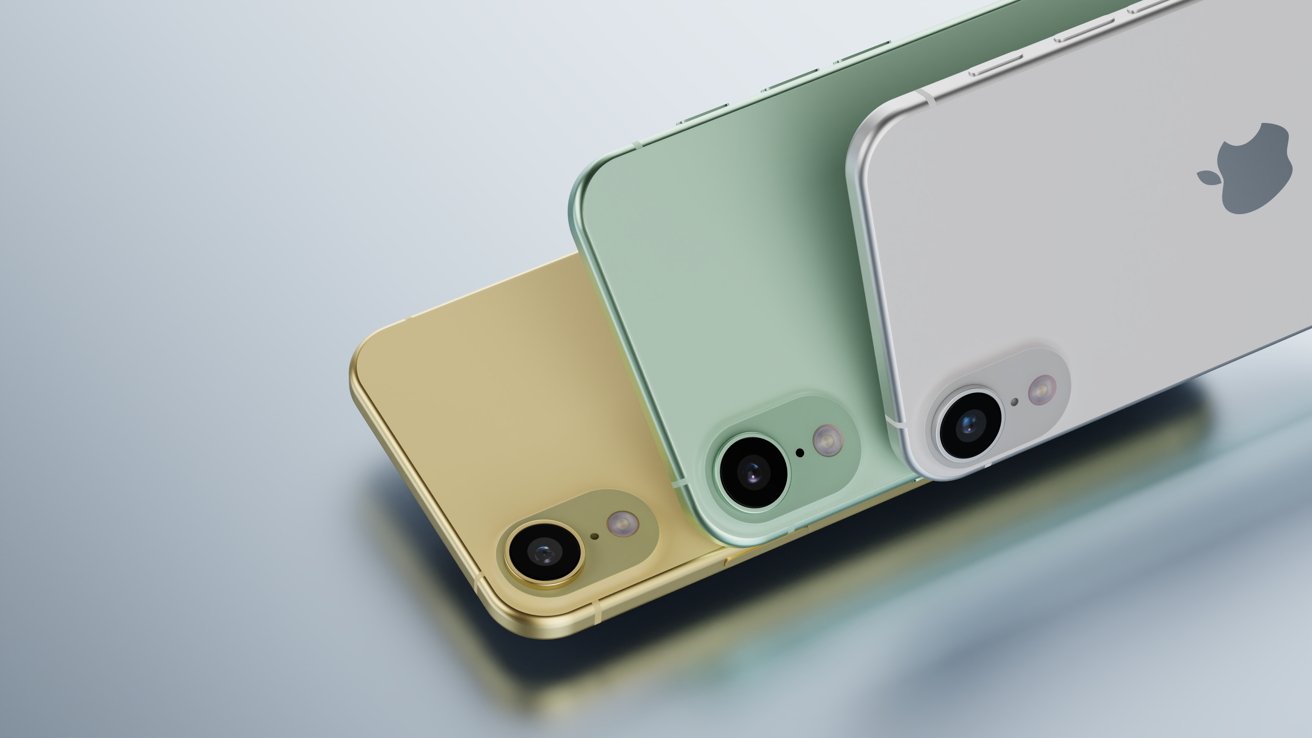
Priced at around $899, the iPhone 17 Air introduces a new ultra-thin design, replacing the Plus model. It’s the thinnest iPhone ever at just 6.5mm thick, emphasizing portability and a larger screen while making some trade-offs in cameras and battery.
Key specifications:
- Display: 6.5-inch Super Retina XDR with ProMotion (120Hz), 2,736 x 1,260 resolution, 460 ppi, True Tone, Wide Color (P3), and up to 2,000 nits brightness.
- Processor: Apple A19 Pro chip.
- RAM and Storage: 12GB RAM; starts at 256GB (up to 1TB).
- Cameras: Single 48MP Fusion Main rear camera; 18MP front-facing with Center Stage (lacks additional rear lenses like Telephoto).
- Battery: Up to 27 hours of video playback; slightly smaller capacity due to thin design.
- Design and Build: Polished titanium frame, Ceramic Shield 2 (3x scratch-resistant front, 4x crack-resistant back), ultra-thin at 6.5mm, weight around 150g.
- Connectivity: Wi-Fi 7, Bluetooth 6, Thread via N1 chip; 5G mmWave.
- Other Features: iOS 26, Apple Intelligence, Dynamic Island, no stereo speakers, IP68 water resistance.
- Colors: Premium minimalist finishes, including new polished options.
The Air appeals to those prioritizing a lightweight, big-screen experience over pro-level photography.
iPhone 17 Pro and Pro Max: Powerhouse Performance
Starting at $1,099 for the Pro and $1,199 for the Pro Max, these models are geared toward professionals and power users. The Pro has a 6.3-inch display, while the Pro Max ups it to 6.9 inches with a larger battery. Both feature advanced cooling and camera systems.
Key specifications (Pro; Pro Max differences noted):
- Display: 6.3-inch (Pro) or 6.9-inch (Pro Max) Super Retina XDR with ProMotion (120Hz), resolutions 2,622 x 1,206 (Pro) or higher for Pro Max, 460 ppi, True Tone, Wide Color (P3), up to 2,000 nits.
- Processor: Apple A19 Pro chip with vapor chamber cooling for sustained performance.
- RAM and Storage: 12GB RAM; starts at 256GB (up to 1TB for Pro, 2TB for Pro Max).
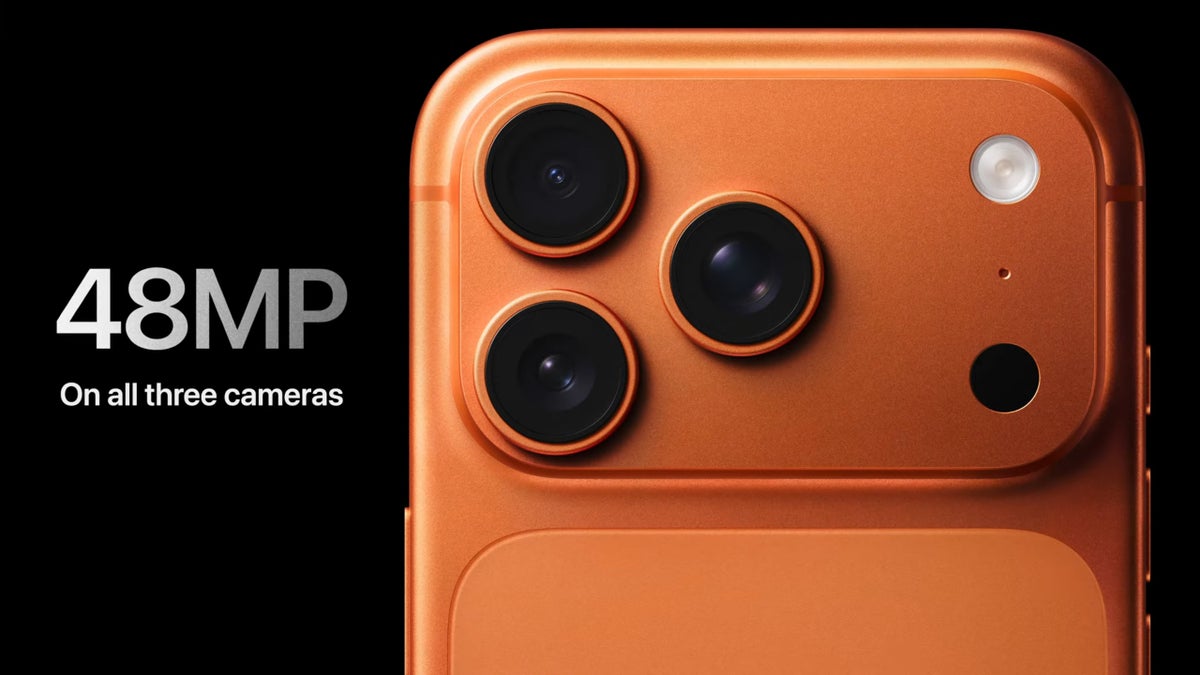
- Cameras: Triple 48MP Fusion system (Main, Telephoto with tetraprism, Ultra Wide); 18MP front with Center Stage. Supports pro video features like enhanced stabilization.
- Battery: Up to 33 hours (Pro) or 39 hours (Pro Max) video playback; 4,252 mAh (Pro), 5,088 mAh (Pro Max).
- Design and Build: Aluminum unibody (Pro) or titanium (Pro Max options), Ceramic Shield 2, dimensions vary (Pro: similar to standard; Pro Max larger), weights around 190g (Pro) to 220g (Pro Max).
- Connectivity: Wi-Fi 7, Bluetooth 6, Thread via N1 chip; 5G mmWave.
- Other Features: iOS 26, Apple Intelligence, updated camera plateau, anti-reflective display, IP68, stereo speakers.
- Colors: Including new orange/copper and premium finishes.
These are for creators, gamers, and those needing top-tier specs.
Why You Should Upgrade to the iPhone 17 Series
If you’re coming from an older model like the iPhone 13 or 14, the 17 series offers compelling reasons to make the switch:
- Enhanced Performance and AI: The A19/A19 Pro chips deliver faster processing, better efficiency, and exclusive Apple Intelligence features like real-time translation and advanced image editing—perfect for productivity.
- Improved Cameras Across the Board: From the 48MP Fusion system to better low-light performance and pro video tools, photography enthusiasts will notice sharper, more detailed shots.
- 120Hz ProMotion Displays: Now standard on all models, providing smoother scrolling and gaming compared to older 60Hz screens.
- Longer Battery Life: Up to 39 hours on Pro Max beats many predecessors, with faster charging (nearly 2x faster than iPhone 15 series).
- Future-Proofing: Starting storage at 256GB, Wi-Fi 7, and more RAM (up to 12GB) ensure longevity for AI updates and demanding apps.
- Design Innovations: The Air’s slim profile is lighter (20% less than some Pros), while Pros offer premium materials and cooling for heavy use.
Why You Shouldn’t Upgrade Just Yet
Not every upgrade is necessary—here’s why you might skip this generation:
- Incremental Changes: If you have an iPhone 16, differences like minor chip boosts and camera tweaks may not justify the cost—Apple designs for multi-year use, not annual upgrades.
- Price Hikes and Trade-Offs: The Pro starts $100 higher than last year; the Air sacrifices cameras, speakers, and battery for thinness, which might frustrate power users.
- Battery and Weight Concerns: The Air’s 27-hour battery is solid but lags behind Pros; heavier Pro models could feel bulky if you prefer lighter phones.
- Ecosystem Stability: iOS 26 is polished, but if your current device runs smoothly with good battery, waiting for iPhone 18 (with potentially bigger redesigns) might save money.
- No Major Revolutions: Features like Dynamic Island tweaks and anti-reflective displays are nice but not game-changers for everyone.
In summary, the iPhone 17 series shines with its blend of accessibility and pro features. If performance or a fresh design calls to you, go for it—but if your current phone holds up, patience could pay off.
